



Bust of Baron William I Rogdorf
Baron Wilhelm I Rogdorf (1481-1541), as the chief battlefield commander, suffered fatal injuries during the siege of Ofen (now part of Budapest) in 1571. Created by artist John Baptiste Fisler, they used zinc casting techniques to create these monuments. This material was chosen at the time for durability considerations. As a historical figure, Baron William I Rogdorf's contributions and sacrifices in military affairs have been permanently recorded through the hands of these artists, becoming an object of understanding and commemoration for future generations.

Christ Mourning Gypsum Relief
The work is titled "Christ Mourning Gypsum Relief" by Raphael Donner. Created in the 19th century. This work is one of the collections of the Heiligenkreuz Abbey Museum. Raphael Dona is a renowned artist whose works hold an important position in art history. This plaster relief replica showcases Raphael Dona's artistic style and skills, as well as reflecting the rich art collection of the Heiligenkreis Monastery Museum.

Gilhimina Sugia
Guilhermena Suggia (June 27, 1885- July 30, 1950) was a Portuguese cellist. She studied with Pablo Casals in Paris and established an international reputation. She lived in England for many years and received a lot of praise. Sugia was one of the earliest women to make playing the cello her profession. She started learning cello in Portugal at the age of only 5 and graduated from Leipzig Conservatory at 18, later becoming one of the most acclaimed musicians of that era.
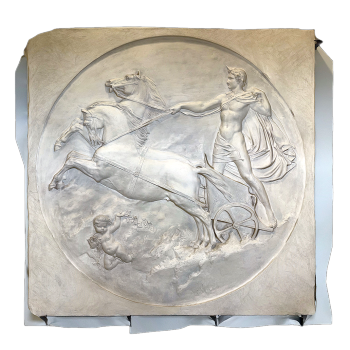
Carlo de Apollo
Carlo de Apollo, created by Ant ó nio Soares Dos Reis (1847-1889), was originally produced in 1870. Currently housed in the National Museum of Soares Dos Reis in Porto. Antonio Soares dos Reis was one of the most important Portuguese sculptors of the late 19th century. His works include some very important sculptures, such as "Exiles" or "Count Ferreira", as well as a set of low reliefs and a travel and annotation album.
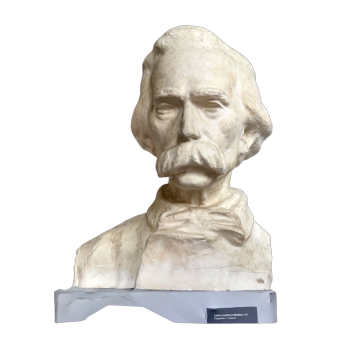
Camillo Castro Blanco
Antonio Duarte (1912-1998) was a Portuguese sculptor belonging to the second generation of modernist artists. His works include some very important sculptures, such as "Camillo Castro Blanco" (1947). This work is made of plaster and is displayed in his named museum, the Antonio Duarte Museum, located in Caldas da Raynia.
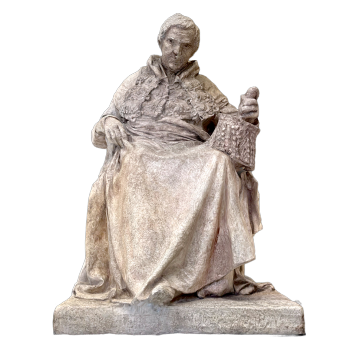
《 Brotolo 》
Antonio Soares dos Reis (1847-1889) was one of the most important Portuguese sculptors of the late 19th century. His works transition from abstract neoclassicism to vivid realism, and he is famous for the "Contemplating Dante" at the Prado Museum and the Columbus Monument in Madrid. The sculpture he created, "Brotolo," is an elderly Felix de Aveira Brotolo, who is a professor at the University of Coimbra. His wrinkled skin and curved posture indicate his old age. He was wearing a long robe, and the 'borla' held in his right hand showed his position as a professor.

The owl statue at the National Library of Greece
The National Library of Greece (Greek: Εθ νικήΒιβ λιοθ ήκη) was established in the first half of the 19th century and is located near the center of Athens. It was designed by Danish architect Theofel Hansen and is one of his neoclassical architectural trilogy (the other two being the Academy of Athens and the University of Athens). The National Library of Greece houses 4500 Greek manuscripts, making it one of the places with the most preserved Greek manuscripts. The museum also houses many documents and archives related to the Greek Revolution.

The Apprentice
Aprendiz is a sculpture created by Jeronimo Su ñ ol, one of the most important Spanish sculptors of the late 19th century. This work is made of bronze and measures 43x26x26 centimeters. It was completed in Rome in 1874. Sunor's works transition from abstract neoclassicism to vivid realism, and he is famous for the "Contemplating Dante" at the Prado Museum and the Columbus Monument in Madrid (as well as its replica in Central Park, New York).

Curly Mouse
The Curly Mouse is an artwork from the second half of the 19th century, currently housed in the Minneapolis Museum of Art in the United States. This artwork is a redwood sculpture shaped like a curled mouse. This piece is the work of Japanese woodcarver Masao Suzuki (1815-1890), known for his intricate details and vivid expressiveness.

19th Century French Coral Sculpture

Popular Models
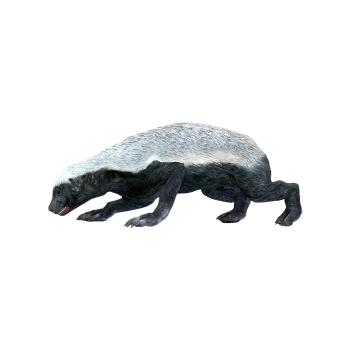
Honey Badger (3D animated model)
192 View
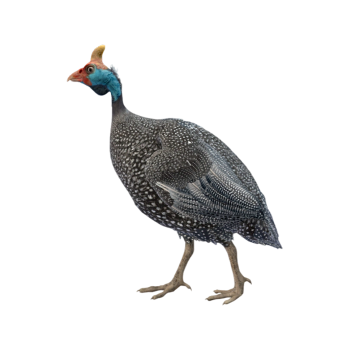
Guinea fowl (3D animated model)
163 View
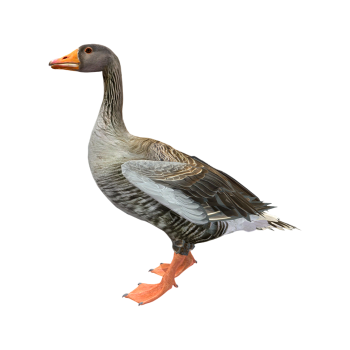
Wild Goose (3D animated model)
185 View
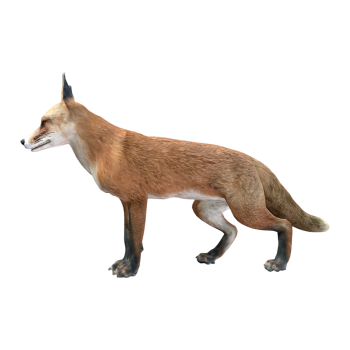
Red Fox (3D animated model)
153 View
Random Model

Chinese Zodiac - Dragon Statue
932 View
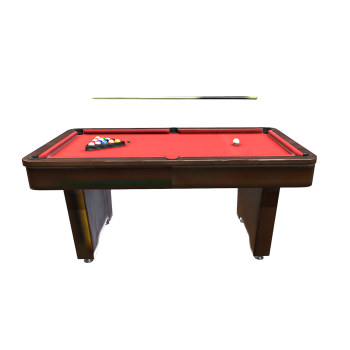
Billiard table
754 View
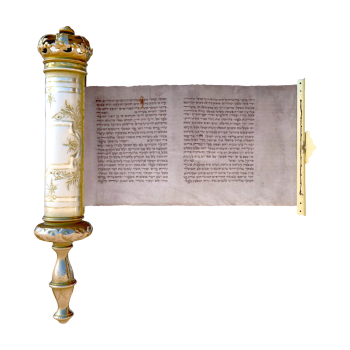
Esther's Scroll and Its Envelope
921 View

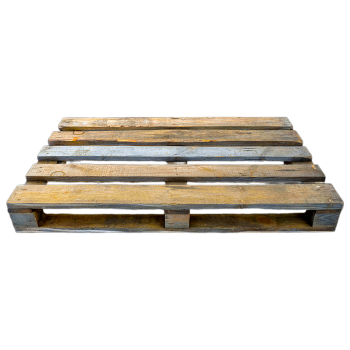
Wooden packing tray
895 View

Dyer Abbey
451 View


Koenigsegg Agera Super sports car
705 View

Airbus A320
1137 View

American badger (with 3D animated model)
1181 View